
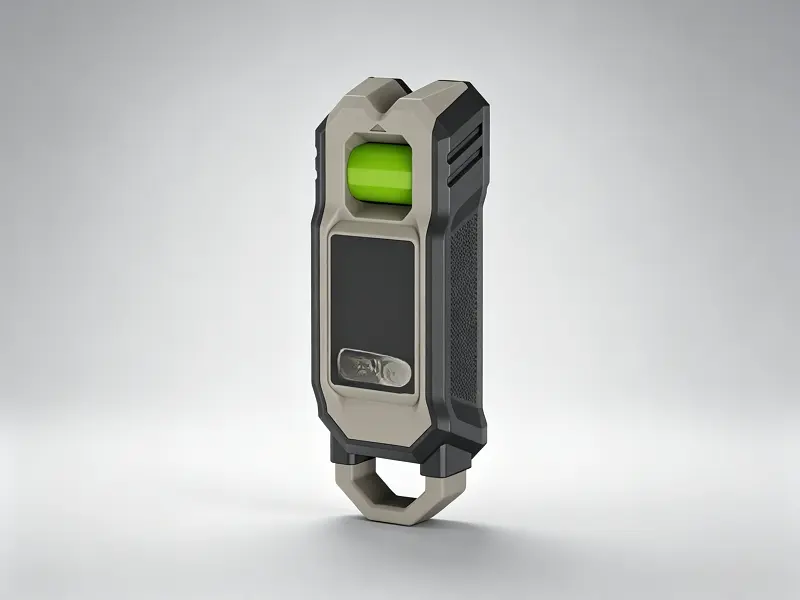
For decades, active electronic wall scanners have been a standard choice for contractors and DIY enthusiasts. However, a steady shift is occurring in the hardware and building utility sectors. Faced with the practical realities of job site downtime—such as battery depletion, false readings, and complex calibration procedures—industry professionals are increasingly adopting a simpler, mechanical alternative: the no-calibration magnetic stud finder.
For tool brand owners, hardware wholesalers, and retail distributors, this transition represents a significant market opportunity. Partnering with a reliable no calibration required stud finder supplier allows brands to introduce a durable, low-maintenance product that complements existing portfolios of professional measuring and layout tools.
Below is an engineering and commercial analysis of why magnetic, calibration-free wall scanners are capturing market share, and how sourcing them strategically can strengthen your B2B hardware catalog.
The Practical Limitations of Electronic Scanners on the Job Site
To understand the demand for magnetic alternatives, it is helpful to analyze the common engineering and operational failures associated with traditional capacitive electronic sensors:
- The Calibration Trap: Most capacitive wall scanners require the user to place the device against a non-stud section of the wall to establish a baseline dielectric constant. If a user accidentally calibrates the device directly over a stud, the tool miscalculates the density baseline. This leads to false negatives and inaccurate drilling, which can damage plumbing or electrical conduits.
- Power Dependency and Battery Shelf Life: Electronic scanners rely on active power, typically 9V or AAA batteries. For trade professionals, a dead battery on-site halts workflow. For distributors, stocking active electronics with pre-packaged batteries introduces chemical shelf-life constraints and risk of battery leakage during storage.
- The Lath and Plaster Challenge: In historic renovations—common across older metropolitan areas in North America and Europe—walls built prior to the 1950s utilize lath and plaster systems. The density variations of the wooden laths, irregular plaster keys, and structural wire mesh confuse capacitive electronic sensors. This makes standard electronic scanners highly unreliable in these environments.
The Engineering Behind "No Calibration" Magnetic Finders
To resolve these field issues, hardware manufacturers have optimized the utility of passive magnetic stud finders.
Rather than measuring changes in wall density, these tools leverage high-energy-product Neodymium (NdFeB) magnets to locate the steel fasteners (screws or nails) used to secure drywall or lath to wood and metal studs.
Core Technical Features Driving Market Adoption
When global sourcing managers evaluate magnetic stud finders, they prioritize several critical mechanical features:
- Zero Calibration & Zero Power Requirements: Because these tools rely on permanent magnetic fields, they require no batteries or calibration sequences. They are ready for immediate use upon deployment.
- Mechanical Feedback Systems: Premium designs integrate a free-moving or pivoting magnetic core. When the tool passes over a ferrous fastener, the internal magnet pivots and makes physical contact with the housing wall, creating an audible "click" and a visible shift in the indicator to confirm the stud's location.
- Cross-Material Performance: Because magnetic attraction penetrates non-ferrous materials based on distance rather than material density, these tools function through standard drywall (including 1/2-inch and 5/8-inch profiles), historic lath and plaster, and wood paneling.
Strategic Advantages for B2B Tool Brands and Distributors
Integrating calibration-free magnetic stud finders into your product lineup offers several commercial advantages:
1. Significantly Lower Return (RMA) Rates
Active electronic tools often suffer from high return rates driven by user-calibration errors. A mechanical, battery-free tool has fewer points of failure, minimizing customer returns and protecting your brand’s quality reputation.
2. Streamlined Supply Chain and Logistics
Because magnetic stud finders do not contain lithium or alkaline batteries, they are not subject to the strict hazardous material shipping restrictions or battery degradation issues that affect electronic alternatives. They can sit in distribution warehouses indefinitely without loss of performance.
3. Natural Cross-Selling Integration
A compact, highly reliable magnetic scanner is an ideal add-on product. It packages naturally alongside higher-value layout tools, such as digital levels, moisture meters, and laser levels, allowing brands to increase average order values.
Critical Sourcing Criteria for OEM/ODM Buyers
When selecting an OEM manufacturing partner for magnetic tools, procurement teams should verify specific manufacturing capabilities:
- Magnet Grade and Pull-Force Consistency: The supplier must use high-quality, stabilized Neodymium magnets (typically N52 or custom-graded alloys) to ensure sufficient magnetic pull through thicker wall materials without adding excessive weight.
- International Shipping Compliance: Strong permanent magnets are subject to air transport regulations (such as IATA Packing Instruction 953). A professional manufacturer must have the capability to provide appropriate magnetic shielding packaging to ensure hassle-free global air freight.
- Material Durability and Compliance: The tool housing should be molded from impact-resistant polymers, such as ABS or PC-ABS blends, to withstand repeated drops on concrete. Buyers should ensure the materials comply with regional environmental standards, including RoHS and REACH regulations for European and North American markets.
Technical and Manufacturing Capabilities of eOUTIL
For brands seeking to expand their measuring tool portfolios, eOUTIL provides professional OEM and ODM manufacturing services. We focus on engineering high-durability hand tools and electronic measuring instruments, offering standard and customized solutions for global distribution.
Our manufacturing capabilities include:
- Custom Engineering (OEM/ODM): Precision tuning of magnetic pull force and custom housing molding to match brand-specific ergonomic and aesthetic requirements.
- Quality Control Standards: Standardized drop testing, magnetic flux consistency checks, and environmental compliance verification (RoHS/REACH).
- Logistics Preparation: Integration of magnetic shielding in export packaging to comply with international air and sea cargo regulations.
For technical specifications, volume pricing, or to request product samples, please contact our product engineering and sales department.
FAQ
What is the MOQ for OEM stud finders?
MOQ depends on the product model, housing color, packaging, and customization level. For standard models, the MOQ is usually lower than fully customized ODM projects.
Can eOUTIL support private label packaging?
Yes. eOUTIL supports logo printing, color box design, user manuals, packaging customization, and product appearance customization for tool brands.
Does eOUTIL provide Vietnam manufacturing?
Yes. eOUTIL supports manufacturing through Vietnam and China facilities to help global buyers reduce tariff and supply chain risks.